Unlocking Natural Paths to Joint Flexibility
Discover how natural compounds support joint health and wellness through science-backed knowledge.
The Fundamentals of Joint Health
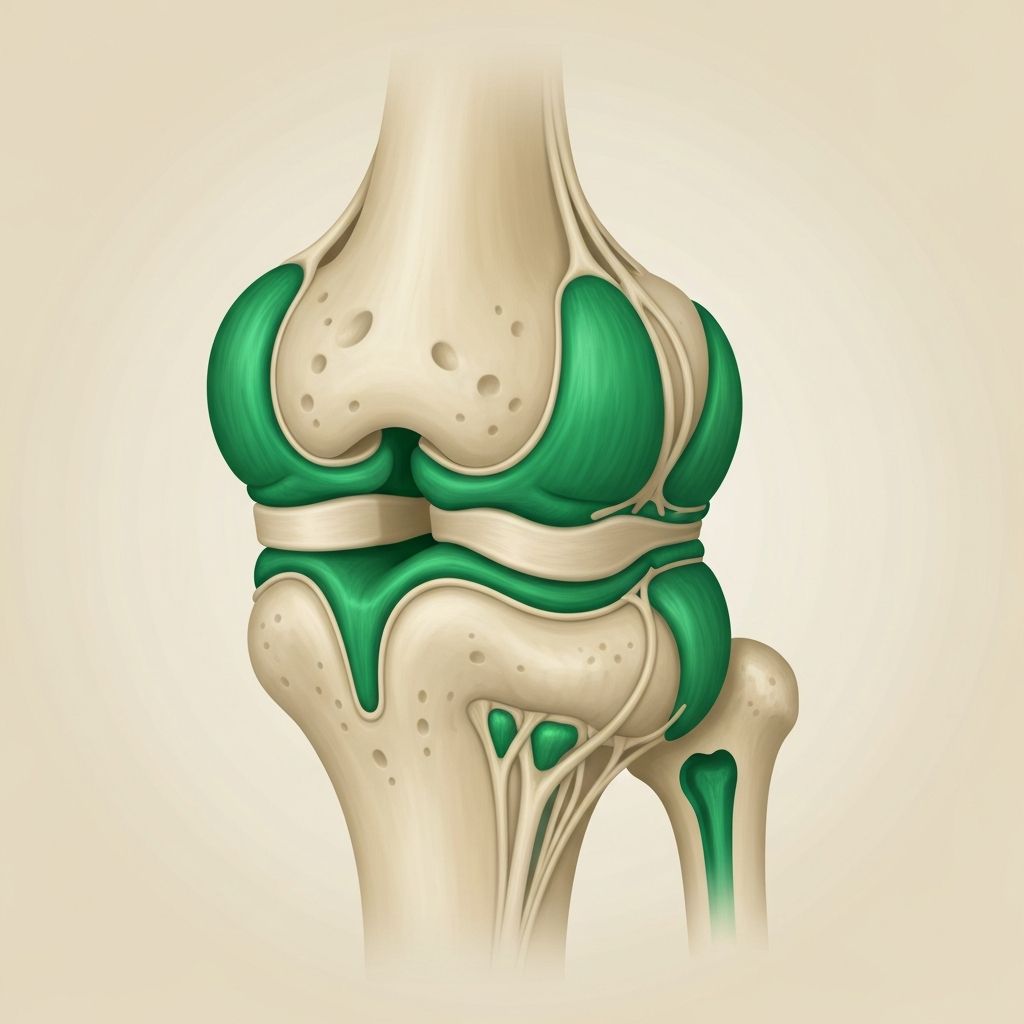
Joints are complex structures that enable movement and flexibility throughout the body. Understanding how healthy joints function is essential to appreciating the role of natural support compounds in maintaining overall wellness.
Healthy joints consist of cartilage, synovial fluid, and supporting structures that work in harmony. Cartilage acts as a shock absorber and facilitates smooth movement, while synovial fluid provides lubrication and nourishment. The strength and integrity of these components directly affect joint mobility and comfort.
Maintaining joint health through proper nutrition, regular movement, and lifestyle choices creates the foundation for long-term flexibility and physical comfort.
Key Nutrients for Articular Support
Essential vitamins and minerals play vital roles in maintaining the structural components of joints and supporting overall connective tissue health.
| Nutrient | Role in Joint Health |
|---|---|
| Vitamin C | Supports collagen synthesis, essential for cartilage structure |
| Vitamin D | Aids calcium absorption and supports immune function |
| Calcium | Essential mineral for bone strength and joint structure |
| Magnesium | Supports muscle function and connective tissue integrity |
| Zinc | Contributes to immune function and tissue repair |

Botanical Extracts for Comfort and Mobility
Throughout history, various plant extracts have been valued for their potential contributions to physical comfort and mobility. Modern research continues to explore how traditional botanical knowledge aligns with contemporary understanding of natural compounds.
Herbal extracts derived from plants such as ginger, turmeric, and Boswellia have garnered scientific attention for their potential properties. These botanicals are valued in various traditional wellness systems and are increasingly studied for their role in supporting general well-being.
While each botanical has unique characteristics, they share a common place in the broader context of natural support for active lifestyles and overall joint wellness.

Understanding Cartilage and Its Role
Cartilage is a specialized connective tissue that plays a crucial role in joint function. It is composed primarily of collagen, proteoglycans, and water, creating a resilient material capable of withstanding tremendous forces while enabling smooth movement.

Functions of Cartilage
- ✓ Reduces friction between bones during movement
- ✓ Distributes forces throughout the joint
- ✓ Protects underlying bone structures
- ✓ Enables smooth, coordinated movement
Lifestyle Factors for Joint Wellness
Beyond nutrition and supplementation, numerous lifestyle choices contribute significantly to joint health and overall wellness. These factors work synergistically to support mobility, flexibility, and physical comfort.
Regular Movement
Gentle, consistent physical activity promotes joint lubrication, strengthens supporting muscles, and maintains mobility. Activities such as walking, stretching, and swimming support overall joint function.
Balanced Nutrition
A diet rich in whole foods, vegetables, fruits, and healthy fats provides essential nutrients for connective tissue maintenance. Proper hydration supports joint lubrication and overall tissue health.
Adequate Rest
Quality sleep and appropriate recovery periods allow the body to repair and maintain joint structures. Consistent sleep patterns support overall wellness and inflammatory balance.
Dispelling Myths About Joint Supplements
As the market for joint health products expands, numerous misconceptions have emerged. Understanding the distinction between realistic support and unrealistic claims is essential for informed decision-making.
Supplements Are Not Medicines
Natural supplements are dietary aids designed to support nutrition and wellness. They are not intended to diagnose, treat, cure, or prevent disease. Their role is to complement a healthy lifestyle, not replace medical care or professional guidance.
Results Vary Individually
Nutritional responses differ significantly among individuals due to genetics, overall health, diet, activity level, and numerous other factors. General wellness claims cannot guarantee specific outcomes for any individual.
Quality and Sourcing Matter
The efficacy of botanical and nutritional products depends on factors such as ingredient sourcing, extraction methods, and formulation. Not all products are created equal, and careful evaluation is warranted.

The Science Behind Natural Ingredients
Scientific research on natural compounds has expanded considerably over the past decades. Researchers employ rigorous methodologies to investigate how botanical extracts and nutrients interact with biological systems.
Studies examine ingredient properties, bioavailability, mechanism of action, and potential synergistic effects. While much research is promising, the scientific community continues to explore the nuances of how natural compounds contribute to health and wellness.
Understanding the scientific basis of natural ingredients allows consumers to make informed choices about their wellness strategies.
Navigating Information on Joint Support
In an age of abundant health information, developing critical thinking skills is essential for evaluating claims about natural products and wellness strategies.
Evaluate Sources
Distinguish between peer-reviewed research, marketing claims, and anecdotal testimonials. Authoritative sources typically cite scientific evidence and clearly separate marketing from factual information.
Understand Terminology
Learn the difference between "supports," "may help," and "cures." Medical claims are specific and measurable; wellness claims are general. Be cautious of absolutes or guarantees.
Consult Professionals
Healthcare providers offer personalized guidance based on individual health status, medications, and needs. Professional input is invaluable before making significant changes to diet or supplement routines.
Daily Habits for Sustained Mobility
Building sustainable habits supports long-term joint health and overall wellness. Small, consistent practices often yield more significant results than occasional intensive efforts.
Morning stretching, regular walks, proper hydration, and mindful eating create a foundation for sustained mobility. Maintaining an active lifestyle adapted to individual capabilities promotes joint function and physical comfort over time.
Wellness is a journey, not a destination. Daily choices accumulate to shape long-term health outcomes.

Ponderna's Educational Commitment
Ponderna exists as an independent educational resource dedicated to providing factual, unbiased information about natural compounds, joint health, and wellness. Our mission is to inform and educate, not to sell or advise medical treatment.
We believe that informed individuals make better decisions about their health. By providing comprehensive, science-informed content without commercial pressure, we contribute to a landscape where wellness information is accessible and trustworthy.
Our commitment is to clarity, accuracy, and user empowerment through education.